









How to Choose a Tactical Outdoor Binocular? Focus on These Key Parameters
In outdoor activities, binoculars are essential tools for observing distant targets. Tactical outdoor binoculars, known for their high clarity, brightness, and practical features, are widely used in mountain trekking, camping, and other field scenarios. Through advanced optical design and functional integration, these binoculars meet users’ needs for long-range observation, direction positioning, and distance estimation. Their core specifications directly determine the overall user experience.
I. Optical System and Imaging Principles
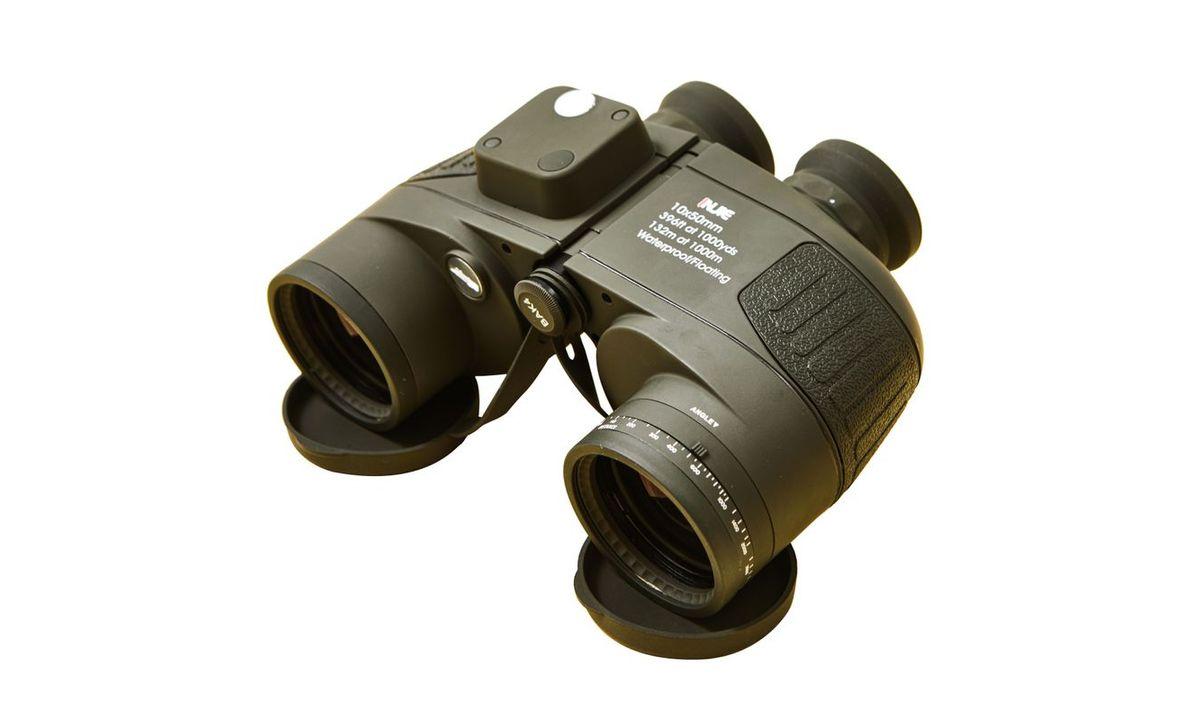
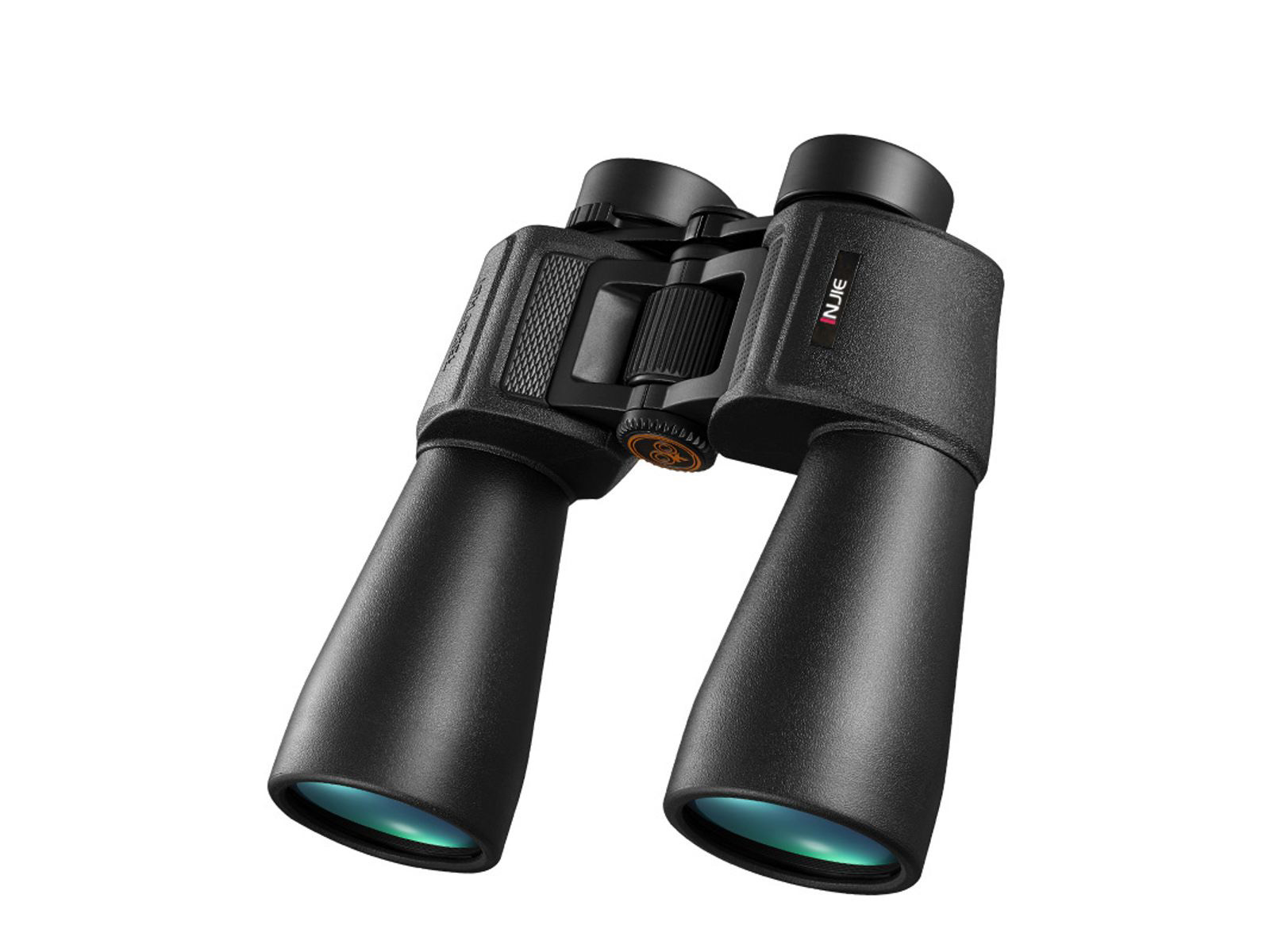
The imaging quality of binoculars depends on the design of the optical system. The INJIE 星际 12x50 features BAK4 prism glass, a high-density optical material that effectively reduces internal light scattering and enhances edge sharpness.
Its 10x magnification combined with a 50mm objective lens ensures sufficient light intake while delivering a field of view of 123 meters at 1,000 meters, making it suitable for tracking moving targets or observing wide-area scenes.
The exit pupil diameter is 5mm (50 ÷ 10 = 5), which closely matches the natural pupil size of the human eye in well-lit conditions. This ensures adequate brightness and comfortable viewing.
II. Functional Design and Practical Components
Built-in Compass
The integrated compass assists with directional positioning, making it particularly useful for:
-
Mountain trekking
-
Forest exploration
-
Outdoor navigation
Reticle (Mil-Scale) System
The reticle allows users to estimate target distance or size through calibrated markings.
For example, using the mil formula:
Target Distance (m) = Target Height (m) × 1000 ÷ Mil Reading
By measuring how many mils a known-height object occupies, users can calculate its actual distance. This function is especially practical for tactical observation and field measurement.
Nitrogen-Filled Waterproof Design
The sealed structure and nitrogen purging:
-
Prevent internal fogging
-
Block moisture intrusion
-
Adapt to humid or rainy environments
However, waterproof performance does not mean prolonged submersion is recommended.
Minimum Focusing Distance: 5m
This allows for closer observation when needed, providing flexibility for both near and distant viewing.
III. Usage and Precautions
When using the binoculars, hold them steadily with both hands to minimize shaking. Adjust the interpupillary distance for comfortable viewing, then use the central focus wheel for sharp imaging.
Before using the reticle function, it is important to understand the scale markings and calculation method, such as:
Distance (m) = Target Height (m) × 1000 ÷ Mil Value
Although the binoculars are waterproof, avoid prolonged immersion or heavy impact. For storage, keep them in a dry environment and avoid extreme temperatures to prevent coating degradation or structural deformation.
IV. Technical Specifications and Practical Performance
-
Net Weight: 900g
-
Dimensions: 195 × 175 × 58 mm
-
Field of View: 123m / 1000m
-
Prism Type: BAK4
-
Magnification: 10x
-
Objective Diameter: 50mm
Weighing 900 grams, this model falls into the mid-size binocular category, offering a balance between portability and stability.
The combination of BAK4 prisms and multi-coated lenses improves light transmission, maintaining high image brightness even in low-light conditions such as dusk. The integration of the reticle and compass does not significantly increase the overall size, reflecting a well-balanced design between functionality and portability.