








What Are ED Binoculars? A Complete Guide to ED Glass, Optical Clarity and Outdoor Observation
What Are ED Binoculars?
ED binoculars are binoculars that use Extra-Low Dispersion glass in their optical system to help reduce chromatic aberration and improve image clarity.
ED glass is commonly used in professional and high-quality optical products because it can improve color reproduction and image detail, especially when viewing high-contrast subjects or distant objects.
ED binoculars are widely suitable for:
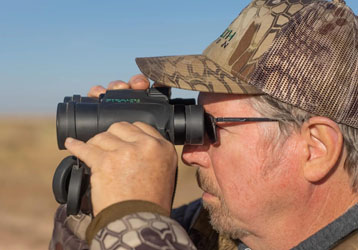
Bird watching
Wildlife observation
Hunting
Outdoor travel
Hiking
Nature observation
Sports viewing
Professional outdoor applications
For users who need clear images, natural colors and detailed observation, ED binoculars can be an excellent optical solution.
What Does ED Mean in Binoculars?
ED stands for:
Extra-Low Dispersion
When light passes through an optical lens, different wavelengths can refract at slightly different angles.
This dispersion can produce chromatic aberration, which may appear as colored edges around high-contrast objects.
ED optical glass is designed to help control this effect.
As a result, a well-designed ED binocular optical system can provide improved:
Color correction
Image clarity
Contrast
Fine detail
Overall viewing quality
What Is Chromatic Aberration?
Chromatic aberration is an optical phenomenon caused by different wavelengths of light being refracted differently.
When viewing a high-contrast object, users may notice a slight color fringe around the edge.
For example, a dark object against a bright sky can make chromatic aberration easier to observe.
Optical designers use different types of glass and lens combinations to reduce this effect.
ED glass is one of the technologies used for this purpose.
How Does ED Glass Improve Binocular Performance?
ED glass can help reduce chromatic aberration within the optical system.
The result can be particularly noticeable when observing:
Birds against bright backgrounds
Wildlife in open environments
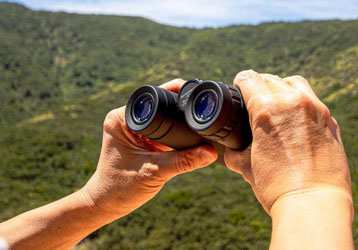
Distant mountain landscapes
Buildings
Sporting activities
High-contrast objects
However, ED glass is only one part of overall binocular performance.
The complete optical design is also important.
ED Glass Is Not the Only Factor
When choosing ED binoculars, buyers should not evaluate the product based only on the term “ED”.
Other important optical factors include:
Lens design
Prism quality
Lens coating
Optical alignment
Objective lens diameter
Magnification
Field of view
Eye relief
Mechanical structure
A well-designed optical system needs all these components to work together.
ED Binoculars and Color Reproduction
Color reproduction is important for outdoor observation.
Bird watchers, wildlife observers and nature enthusiasts often need to identify subtle differences in:
Feathers
Fur
Leaves
Flowers
Landscape
Natural objects
ED optical systems can help reduce color fringing and improve the visual appearance of high-contrast subjects.
ED Binoculars for Bird Watching
Bird watching is one of the most common applications for ED binoculars.
Birds are often observed at considerable distances, and their feathers can contain very fine details.
A good bird watching binocular should provide:
Clear image detail
Good color reproduction
Comfortable viewing
Appropriate magnification
Wide enough field of view
Good low-light performance
ED binoculars can be particularly useful when observing birds against bright skies or other high-contrast backgrounds.
ED Binoculars for Wildlife Observation
Wildlife observation often requires long periods of viewing.
Users may need to observe animals from a safe distance without disturbing them.
Important features can include:
Image clarity
Color accuracy
Optical brightness
Comfortable eye relief
Stable handheld operation
Weather protection
ED binoculars are suitable for many outdoor wildlife observation applications.
ED Binoculars for Hunting
For hunting and outdoor observation, optical clarity can help users identify distant subjects and environmental details.
Depending on the intended use, buyers may consider:
Magnification
Objective lens diameter
Low-light performance
Waterproof protection
Shock resistance
Optical clarity
Ergonomic design
ED glass can be one of the factors considered when selecting professional outdoor binoculars.
ED Binoculars for Outdoor Travel
Travel binoculars need to balance optical performance and portability.
A compact binocular can be easier to carry during:
Hiking
Camping
Tourism
Mountain travel
Nature observation
ED technology can provide improved optical performance while maintaining a compact product design, depending on the optical configuration.
ED Binoculars and BAK4 Prisms
The prism system is another important component of binoculars.
BAK4 prism is a commonly used optical glass material in binocular prism systems.
ED glass and BAK4 prism perform different functions.
ED Glass
Mainly associated with controlling chromatic aberration.
BAK4 Prism
Used in the prism system to transmit and redirect light through the binocular optical path.
A binocular can combine ED glass + BAK4 prism for a comprehensive optical design.
ED Binoculars and FMC Coating
Lens coating is another important factor.
FMC means:
Fully Multi-Coated
Multi-layer optical coatings can help improve light transmission and reduce unwanted reflections.
A professional binocular optical system may combine:
ED Glass
FMC Coating
BAK4 Prism
Precision Optical Design
to achieve a balanced viewing experience.
What Does Magnification Mean?
Magnification indicates how much larger a distant object appears through binoculars compared with unaided vision.
For example, a binocular labeled:
10×42
uses a magnification of ten times and an objective lens diameter of forty-two millimeters.
A binocular labeled:
12×50
provides higher magnification and a larger objective lens.
Different configurations are suitable for different applications.
How to Choose the Right ED Binoculars
Before purchasing ED binoculars, consider the following factors.
Magnification
Higher magnification can provide more detail from distant subjects, while lower magnification can be easier to use for moving targets.
Objective Lens
A larger objective lens can collect more light but usually increases product size and weight.
Field of View
A wider field of view can make it easier to track moving subjects.
Eye Relief
Longer eye relief can provide a more comfortable viewing experience, particularly for users who wear glasses.
Waterproof Protection
For outdoor applications, weather protection can be important.
Weight
For hiking and travel, a lightweight design can be more convenient.
ED Binoculars for Different Applications
| Application | Important Features |
|---|---|
| Bird Watching | Clarity, color reproduction, field of view |
| Wildlife Observation | Optical brightness, detail, comfort |
| Hunting | Low-light performance, durability, waterproof protection |
| Hiking | Compact size, low weight, optical clarity |
| Travel | Portability, durability, comfortable viewing |
| Marine Observation | Waterproof protection, optical stability |
| Sports Viewing | Field of view, magnification, focus response |
The best configuration depends on the user's specific requirements.
How to Compare ED Binoculars
When comparing different models, look beyond the product name.
Review:
Optical glass
Prism type
Lens coating
Magnification
Objective diameter
Field of view
Eye relief
Close focus distance
Waterproof rating
Weight
Dimensions
Housing material
Focus system
This provides a more complete understanding of the product.
Why Choose a Professional Binoculars Manufacturer?
For distributors and importers, selecting the right manufacturer is just as important as selecting the right optical configuration.
A professional binoculars manufacturer should ideally have capabilities in:
Optical design
Lens assembly
Prism assembly
Optical coating
Mechanical design
Product testing
Quality control
OEM production
ODM development
This is especially important for companies developing their own optical product brands.
ED Binoculars OEM
For international distributors and private-label brands, OEM services can include:
Logo customization
Product branding
Packaging design
User manuals
Product color
Accessories
Product configuration
OEM allows companies to sell binoculars under their own brand while using an established manufacturing platform.
ED Binoculars ODM
ODM can provide deeper customization.
Depending on the manufacturer's capabilities, ODM development may include:
Optical configuration
Housing design
Mechanical structure
Electronic functions
Product appearance
Packaging
Accessories
ODM can be suitable for customers who need a differentiated binocular product.
INJIE Optics ED Binoculars
For an optical brand such as INJIE Optics, ED binoculars can be positioned around several major application categories:
Outdoor Observation
Bird Watching
Wildlife Observation
Hunting
Travel
Nature Observation
Product pages should clearly display verified specifications for each binocular model, including magnification, objective diameter, prism type, lens coating, field of view, eye relief, protection rating, dimensions and weight.
This information helps international buyers quickly compare models and determine which configuration fits their market.
Frequently Asked Questions
Are ED binoculars better than standard binoculars?
ED binoculars can provide improved chromatic aberration control and image clarity, but overall optical performance also depends on lens design, prism quality, coatings and manufacturing precision.
What is ED glass?
ED stands for Extra-Low Dispersion. ED glass is used in optical systems to help reduce chromatic aberration.
Are ED binoculars good for bird watching?
Yes. ED binoculars are well suited to bird watching because image clarity, color reproduction and fine detail are important when observing birds.
Are ED binoculars good for hunting?
ED binoculars can be suitable for hunting and outdoor observation, especially when optical clarity and color reproduction are important.
What is the difference between ED and HD binoculars?
ED refers specifically to Extra-Low Dispersion optical glass, while HD can be a broader marketing term and may refer to overall image quality. Buyers should check the actual optical specifications rather than relying only on product terminology.
What is BAK4 prism?
BAK4 is a type of optical glass commonly used for prism systems in binoculars.
What does FMC mean?
FMC means Fully Multi-Coated. It describes a multi-layer coating applied to optical surfaces to improve light transmission and reduce reflections.
How do I choose ED binoculars?
Consider magnification, objective lens diameter, optical glass, prism type, coatings, field of view, eye relief, waterproof protection, weight and intended application.