








Laser Rangefinder vs Laser Distance Meter: What Is the Difference?
Laser Rangefinder vs Laser Distance Meter: What Is the Difference?
When searching for a professional distance measurement device, buyers may encounter two common product categories:
Laser Rangefinder
and
Laser Distance Meter
Both products use laser technology to measure distance, but they are typically designed for different applications.
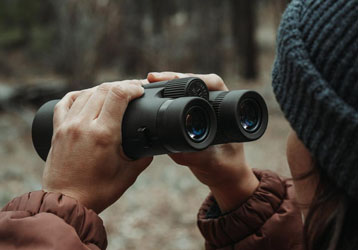
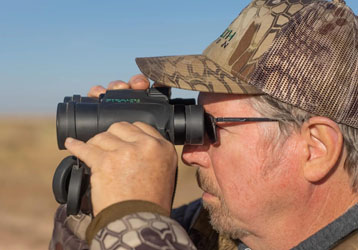
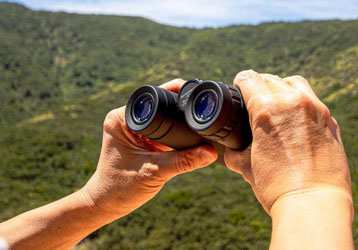
A laser rangefinder is commonly used to measure the distance to distant targets, particularly in outdoor environments.
A laser distance meter is generally used for shorter-distance measurement tasks, such as indoor measurement, construction and facility measurement.
Understanding the difference can help distributors, professional users and equipment buyers select the correct product.
Quick Answer
The main difference is the intended application.
Laser Rangefinder
Primarily designed for measuring the distance to distant targets.
Laser Distance Meter
Primarily designed for direct distance measurement over shorter working distances.
A professional laser rangefinder may combine:
Optical observation
Target identification
Long-distance measurement
Multiple measurement modes
A laser distance meter may focus more on:
Indoor measurement
Building measurement
Construction measurement
Area calculation
Volume calculation
The right product depends on the working environment.
What Is a Laser Rangefinder?
A laser rangefinder is a device designed to measure the distance between the user and a target.
Professional laser rangefinders are commonly used in outdoor environments where the target may be located at a significant distance.
Depending on the product design, a laser rangefinder may include:
Laser distance measurement
Optical observation
Magnification
Angle measurement
Horizontal distance
Height measurement
Speed measurement
Direction measurement
Long-range laser rangefinders are commonly used for professional observation and distance measurement.
What Is a Laser Distance Meter?
A laser distance meter is designed to measure distance using a laser beam.
These products are commonly used for:
Indoor measurement
Construction
Building measurement
Interior design
Facility management
Area measurement
Volume measurement
Many laser distance meters are compact and designed for direct measurement tasks.
Laser Rangefinder vs Laser Distance Meter: Main Differences
| Feature | Laser Rangefinder | Laser Distance Meter |
|---|---|---|
| Primary environment | Outdoor | Indoor and construction |
| Measurement target | Distant objects | Direct surfaces |
| Long-distance measurement | Common | Product dependent |
| Optical observation | Often included | Usually not included |
| Magnification | May be included | Usually not included |
| Target identification | Important | Less dependent |
| Portability | Portable | Compact |
| Measurement functions | Distance and observation-related functions | Distance, area and volume functions |
| Typical applications | Outdoor and professional observation | Building and facility measurement |
The exact functions depend on the specific product.
Measurement Range Differences
One of the most important differences is the typical measurement environment.
Laser Rangefinder
Designed for applications involving:
Distant targets
Outdoor environments
Geographic observation
Infrastructure
Forestry
Industrial facilities
The product may be optimized for long-distance signal detection and target identification.
Laser Distance Meter
Designed for direct measurement of relatively nearby surfaces.
Typical applications include:
Room measurement
Wall measurement
Building dimensions
Construction projects
Interior installation
The product may be optimized for fast and convenient short-to-medium distance measurement.
Optical Observation System
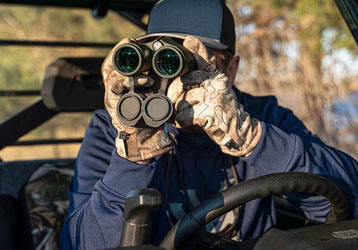
Many professional laser rangefinders include an optical observation system.
This can help users:
Locate distant targets
Observe target details
Select measurement points
Improve measurement efficiency
Important specifications may include:
Magnification
Objective lens
Field of view
Eye relief
Laser distance meters generally do not require the same type of optical observation system.
Target Identification
Target identification is more important when measuring distant objects.
A long-range laser rangefinder user may need to distinguish between:
Trees
Buildings
Towers
Industrial equipment
Natural terrain
Infrastructure
At longer distances, an integrated optical observation system can help the user identify the intended measurement target.
Measurement Technology
Both product categories use laser measurement technology.
However, the internal design may be optimized differently according to the intended application.
Important factors can include:
Measurement distance
Signal detection
Target reflectivity
Measurement speed
Accuracy
Operating environment
Professional buyers should compare the actual technical specifications rather than assuming that all laser measurement devices perform in the same way.
Outdoor Performance
Laser rangefinders are commonly designed for outdoor observation and distance measurement.
Outdoor environments may include:
Bright sunlight
Changing weather
Long observation distances
Complex terrain
Different target surfaces
A professional outdoor laser rangefinder may therefore include features designed for field operation.
Indoor Measurement
Laser distance meters are commonly used where users can directly point the device toward a nearby surface.
Applications may include:
Measuring rooms
Measuring walls
Measuring ceilings
Construction work
Installation work
Their compact design can make them convenient for daily measurement tasks.
Laser Rangefinder vs Laser Distance Meter for Professional Users
The best choice depends on the intended application.
Choose a laser rangefinder when you need:
Distant target measurement
Outdoor operation
Optical target observation
Professional long-distance measurement
Distance measurement across large environments
Choose a laser distance meter when you need:
Building measurement
Indoor distance measurement
Compact operation
Area calculation
Volume calculation
Laser Rangefinder Applications
Outdoor Observation
Laser rangefinders can help users determine the distance to distant objects.
Forestry
Professional users can use distance information for outdoor observation and field measurement.
Power Line Inspection
Distance measurement can support observation of:
Towers
Infrastructure
Equipment
Structures
Industrial Inspection
Large industrial environments may require long-distance measurement capability.
Geographic Observation
Laser rangefinders can provide distance information for natural and geographic targets.
Laser Distance Meter Applications
Laser distance meters are commonly used for:
Construction
Building measurement
Interior design
Facility management
Installation
Renovation
The appropriate product should be selected according to the measurement environment.
Accuracy Comparison
Both laser rangefinders and laser distance meters can provide accurate measurements.
However, the required accuracy depends on the application.
A professional buyer should consider:
Measurement distance
Required tolerance
Target characteristics
Environmental conditions
Product specifications
Accuracy should always be evaluated together with the intended measurement task.
Range vs Accuracy
Measurement range and measurement accuracy are different specifications.
Measurement Range
Describes how far the device can measure.
Measurement Accuracy
Describes how closely the measurement result corresponds to the actual distance.
A product with a longer maximum range is not automatically more accurate.
Both specifications should be evaluated independently.
Portability and Product Design
Laser rangefinders and laser distance meters may also differ in physical design.
Laser Rangefinder
May include:
Optical system
Laser system
Observation components
Larger objective lens
Laser Distance Meter
May focus on:
Compact design
Simple operation
Direct measurement
Easy portability
The best design depends on the working environment.
Environmental Protection
Professional outdoor products may require additional environmental protection.
Depending on the product design, laser rangefinders may offer:
Waterproof protection
Dust resistance
Fog resistance
Wide operating temperature performance
Indoor laser distance meters may have different environmental requirements.
How to Choose Between a Laser Rangefinder and a Laser Distance Meter
Before purchasing, consider the following questions.
Where Will the Device Be Used?
Outdoor or indoor?
What Is the Typical Measurement Distance?
Nearby surfaces or distant targets?
Is Target Observation Important?
Do you need magnification or an optical viewing system?
What Type of Target Will Be Measured?
Consider the size, material and reflectivity of the target.
What Accuracy Is Required?
Select a product that matches the application's measurement requirements.
Laser Rangefinder for B2B Buyers
For distributors and professional equipment buyers, laser rangefinder selection should include:
Measurement range
Measurement accuracy
Optical magnification
Objective lens
Field of view
Laser technology
Measurement modes
Battery system
Operating temperature
Environmental protection
Laser Distance Meter for B2B Buyers
Buyers of laser distance meters may focus on:
Measurement range
Accuracy
Display
Area measurement
Volume measurement
Product size
Battery
Ease of operation
The target market and product application should guide product selection.
OEM Laser Measurement Products
OEM services can help companies sell laser measurement products under their own brands.
Possible services may include:
Logo customization
Product labeling
Custom packaging
User manuals
Accessories
Private-label solutions
OEM product selection should be based on the intended market.
ODM Laser Measurement Solutions
ODM projects can provide deeper product customization.
Depending on the product platform, options may include:
Product appearance
Measurement functions
Product housing
Optical configuration
Software interface
Branding
Packaging
The development process should begin with a clear understanding of the intended application.
Professional Laser Measurement Manufacturer
When selecting a laser measurement equipment manufacturer, professional buyers should consider:
Product development capability
Optical engineering
Measurement technology
Manufacturing experience
Quality control
Product testing
OEM capability
ODM capability
Technical support
A reliable supplier should provide clear technical specifications for the intended application.
Frequently Asked Questions
What is the difference between a laser rangefinder and a laser distance meter?
A laser rangefinder is commonly designed for measuring distant targets, while a laser distance meter is generally used for direct measurement tasks involving shorter distances.
Which device is better for outdoor measurement?
For distant outdoor targets, a laser rangefinder is generally the more suitable product category.
Do laser rangefinders have magnification?
Some professional laser rangefinders include optical observation systems with magnification.
Are laser distance meters used for building measurement?
Yes. Laser distance meters are commonly used for construction, building measurement and facility applications.
Can a laser rangefinder measure long distances?
Professional laser rangefinders can be designed for long-distance measurement, depending on the product model.
Which is better for professional distance measurement?
The correct choice depends on the measurement environment, target distance and application requirements.
Looking for Professional Laser Measurement Equipment?
If you are sourcing laser rangefinders, long-range laser measurement equipment or professional optical measurement solutions, we can support product selection and customized B2B solutions.
Available support includes:
Product specification selection
Professional application consultation
OEM branding
ODM development
Private-label packaging
Bulk orders
Technical product information