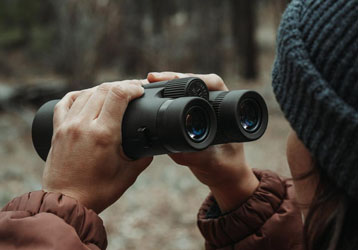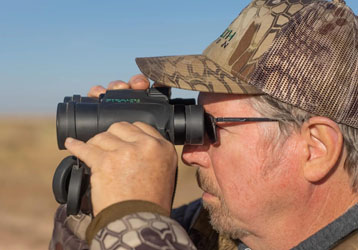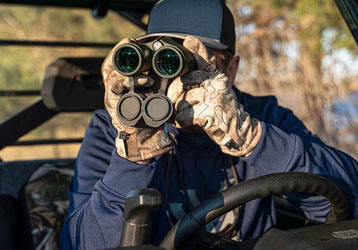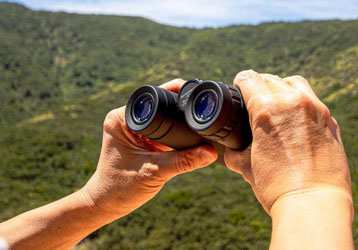










Laser Height Measuring Device for Building and Infrastructure Inspection
Measuring the height of buildings, towers, poles and other large structures can be difficult when direct access is not possible.
A laser height measuring device provides a non-contact method for collecting distance and angle information and calculating the height of suitable targets.
By combining laser distance measurement, optical observation and angle measurement, a professional laser height measuring instrument can support a variety of outdoor inspection applications.
Typical applications include:
-
Building height measurement
-
Construction inspection
-
Power line inspection
-
Utility pole measurement
-
Communication tower observation
-
Infrastructure inspection
-
Engineering measurement
-
Forestry
-
Outdoor surveying
For professional users, choosing the right laser height measuring device requires consideration of measurement range, accuracy, optical performance, target conditions and environmental protection.
What Is a Laser Height Measuring Device?
A laser height measuring device is an electronic measuring instrument designed to measure distance and calculate the height of a target.
Depending on the product configuration, it may provide:
-
Laser distance measurement
-
Horizontal distance measurement
-
Vertical distance measurement
-
Height measurement
-
Angle measurement
-
Optical observation
The device can collect information from different points of a target and use internal calculation functions to determine the required height.
How Does Laser Height Measurement Work?
The basic principle involves measuring distance and angle information.
The operator first observes and aims at a suitable target.
The instrument then collects measurement data from the selected point.
Depending on the measurement mode, the device can use the collected information to calculate the vertical height.
A typical workflow is:
Observe → Aim → Measure → Calculate → Read
This allows users to perform selected height measurements without physically reaching the target.
Measuring Building Height with a Laser Rangefinder
Building height measurement is one potential application of laser measuring technology.
A laser height measuring device can support measurements involving:
-
Residential buildings
-
Commercial buildings
-
Industrial facilities
-
Warehouses
-
Large structures
The operator can select appropriate reference points and use distance and angle information to calculate the height.
Actual measurement performance depends on the target, distance, visibility and environmental conditions.
Laser Height Measurement for Construction
Construction professionals often need accurate information about structures and sites.
Potential applications include:
-
Building inspection
-
Construction site measurement
-
Structure observation
-
Site planning
-
Remote measurement
-
Engineering reference measurement
A portable laser measuring device can provide a convenient option for selected measurement tasks where direct access is difficult.
Measuring Utility Pole Height
Utility poles may be located along roads, fields and remote areas.
A laser height measuring instrument can support selected applications involving:
-
Utility pole observation
-
Pole height estimation
-
Power infrastructure inspection
-
Distance measurement
-
Outdoor field work
Optical magnification can help the operator identify the top and base of the target before measurement.
Communication Tower Inspection
Communication towers can be tall structures located in open or difficult-to-access areas.
Laser distance and height measurement equipment can support:
-
Tower observation
-
Distance measurement
-
Height calculation
-
Site inspection
-
Infrastructure assessment
For tower inspection, long-distance observation and reliable target acquisition can be important.
Power Line Inspection
Power transmission infrastructure can extend across large areas.
Inspectors may need to observe:
-
Transmission towers
-
Utility poles
-
Power lines
-
Insulators
-
Remote structures
A laser height measuring device can provide distance and height information for suitable inspection tasks.
It can also reduce the need to physically approach certain structures.
Why Non-Contact Measurement Is Useful
Traditional measurement methods may require direct access to the target.
For tall buildings, towers and trees, direct measurement can be inconvenient or impractical.
Laser measurement provides a non-contact alternative.
Potential advantages include:
-
Remote operation
-
Fast target measurement
-
Portable equipment
-
Reduced need for physical access
-
Multiple measurement functions
The suitability of the method depends on the specific application.
Importance of Optical Magnification
A laser measuring instrument with optical magnification can help users identify distant targets.
This can be particularly useful when measuring:
-
Tall buildings
-
Towers
-
Utility poles
-
Trees
-
Distant structures
The optical system allows the operator to observe the target before activating the measurement function.
Field of View
Field of view affects how much of the surrounding area can be seen through the optical system.
A suitable field of view can help users:
-
Locate targets
-
Scan large areas
-
Identify structures
-
Track reference points
-
Aim at measurement positions
Higher magnification and field of view should be evaluated together.
Measurement Range
The required measurement range depends on the application.
For example, building inspection may require a different range from:
-
Forestry
-
Power line inspection
-
Communication tower observation
-
Mountain measurement
Buyers should determine the normal working distance before selecting a product.
The maximum advertised range should not be treated as the expected result for every target.
What Affects Laser Measurement?
Actual laser measurement performance can be affected by:
-
Target size
-
Target reflectivity
-
Target color
-
Distance
-
Weather
-
Fog
-
Rain
-
Atmospheric conditions
-
Operator aiming
Large reflective targets may be easier to measure than small or dark targets.
For professional use, sample testing with representative targets is recommended.
Angle Measurement
Angle measurement can be important when calculating height.
An integrated angle sensor can provide information about the orientation of the target relative to the observation position.
Combined with distance information, angle data can support height calculation.
This can be useful for:
-
Building height
-
Tree height
-
Tower height
-
Pole height
-
Terrain measurement
Laser Height Measurement on Slopes
Outdoor infrastructure is not always located on flat terrain.
Measurement tasks may take place on:
-
Hills
-
Slopes
-
Roads
-
Mountains
-
Uneven construction sites
Angle measurement can help account for differences between line-of-sight distance and horizontal distance.
A suitable laser height measuring device can therefore provide additional measurement information in sloped environments.
Outdoor Durability
Professional laser measuring equipment may be used outdoors for extended periods.
Important environmental considerations include:
-
Rain
-
Dust
-
Humidity
-
Temperature changes
-
Strong sunlight
Depending on the application, buyers may consider equipment with suitable waterproof and dust-resistant protection.
Portable Laser Height Measuring Tool
Portability is important for field engineers and inspectors.
A portable laser height measuring tool should provide a balance between:
-
Measurement performance
-
Optical performance
-
Weight
-
Battery life
-
Ergonomics
A compact product can be easier to carry between different inspection locations.
Battery Performance
Laser measuring devices use electronic components that require power.
Before purchasing, users should consider:
-
Battery type
-
Operating time
-
Charging method
-
Replacement convenience
-
Power-saving functions
For remote field work, reliable battery performance can be especially important.
Laser Height Measuring Device for Engineering
Engineering applications may require distance and height information from different observation points.
Potential applications include:
-
Site inspection
-
Infrastructure measurement
-
Construction monitoring
-
Remote structure observation
-
Terrain measurement
The equipment should be selected according to the required accuracy and measurement distance.
Laser Height Measuring Device for Surveying
Laser measurement equipment can support selected surveying and field measurement tasks.
However, professional surveying projects may require specialized surveying instruments depending on the required accuracy and standards.
A laser height measuring device is generally better suited to applications where portable distance, angle and height information is required.
How to Choose a Laser Height Measuring Device
Before purchasing, consider the following factors.
Measurement Range
Determine the normal and maximum working distance.
Height Measurement
Confirm that the product supports the required height measurement method.
Angle Measurement
Check whether angle measurement is available.
Optical Performance
Evaluate magnification, field of view and image clarity.
Accuracy
Check distance, angle and calculated height performance.
Environmental Protection
Consider waterproof and dust-resistant construction.
Portability
Evaluate weight, size and ergonomic design.
Battery
Check operating time and charging requirements.
How to Test a Laser Height Measuring Device
Professional buyers should test samples before placing bulk orders.
Building Test
Measure suitable buildings at different distances.
Tower Test
Measure communication or transmission towers.
Pole Test
Test utility poles and similar vertical structures.
Height Test
Compare calculated height with a known reference.
Repeatability Test
Measure the same target multiple times.
Outdoor Test
Evaluate performance under realistic working conditions.
OEM Laser Height Measuring Devices
For distributors and professional equipment brands, OEM services can provide opportunities for customized products.
Possible customization includes:
-
Brand logo
-
Product appearance
-
Packaging
-
User manual
-
Accessories
-
Product labels
OEM solutions can help companies build their own laser measurement product line.
ODM Laser Measurement Equipment
ODM development may be suitable for customers with specialized application requirements.
Potential customization areas include:
-
Optical configuration
-
Measurement functions
-
Housing design
-
Display
-
Software functions
-
Accessories
-
Packaging
Detailed application requirements should be discussed before development.
Frequently Asked Questions
What is a laser height measuring device?
It is an electronic measuring instrument that can use laser distance and angle information to calculate the height of suitable targets.
Can a laser rangefinder measure building height?
A suitable laser rangefinder with height measurement functionality can support building height measurement.
Can a laser measuring device measure tower height?
Yes, suitable towers can be measured when the target and environmental conditions allow reliable laser measurement.
Can laser height measurement be used for utility poles?
Yes. Laser distance and angle measurement can support selected utility pole height measurement applications.
Can laser height measuring devices work on slopes?
A device with angle measurement functionality can support height measurement on sloped terrain.
Does rain affect laser rangefinder measurement?
Rain, fog and other atmospheric conditions can affect optical visibility and laser measurement performance.
Is optical magnification important?
Yes. Magnification can help users identify and aim at distant measurement targets.
Can laser height measuring devices be customized?
Depending on the manufacturer, OEM and ODM services may be available.
A laser height measuring device can combine distance measurement, angle measurement and height calculation in a portable instrument.
It can support applications such as:
Building Measurement + Construction Inspection + Power Line Inspection + Tower Observation + Utility Pole Measurement + Forestry
When selecting a product, buyers should consider measurement range, accuracy, optical performance, target conditions, environmental protection and portability.
For B2B buyers, sample testing and supplier evaluation are also important before placing a bulk order. OEM and ODM services can provide additional flexibility for distributors and professional equipment brands.