









Long-Range Rangefinder for Outdoor Field Measurement: Applications, Operation and Performance Guide
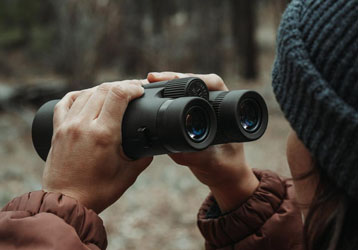
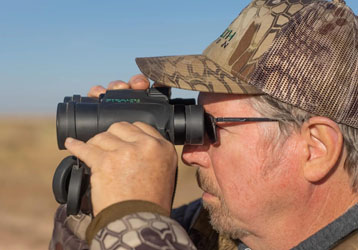
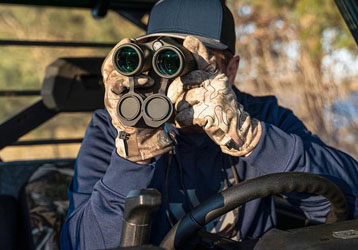
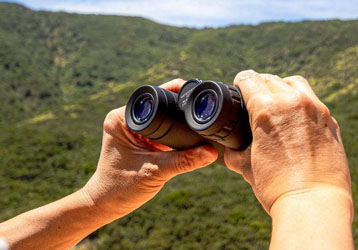
A long-range rangefinder is a practical optical measurement device for users who need to determine the distance to remote targets. By combining optical observation with laser distance measurement technology, it allows users to collect distance information without physically approaching the target.
Long-range rangefinders can be used in outdoor observation, forestry, construction, infrastructure inspection, field research, mountain activities, sports, and various professional measurement-support applications.
In real-world environments, however, the performance of a rangefinder depends on more than its advertised measurement capability. Target characteristics, visibility, atmospheric conditions, optical quality, device stability, and operating methods can all affect the final result.
Understanding these factors can help users select and operate a long-range rangefinder more effectively.
What Makes a Rangefinder Suitable for Long-Distance Measurement?
Long-distance measurement requires the device to perform several functions at the same time.
First, the optical system needs to help the user locate the target. Next, the measurement system must acquire a usable return signal from the target. Finally, the internal electronics process the signal and present the result.
A practical long-range rangefinder therefore combines:
Optical observation
Target aiming
Laser distance measurement
Electronic signal processing
Digital result display
Portable field operation
The combination of these functions makes remote measurement considerably more convenient.
Typical Outdoor Applications
Long-range rangefinders can support many different outdoor activities.
Forestry
Forestry professionals may need to observe trees, terrain, forest boundaries, and other distant features.
A rangefinder can provide useful distance information without requiring personnel to move directly toward the target.
Construction
Construction teams can use distance information during site observation and project preparation.
Large buildings, structures, reference points, and other visible objects can be measured remotely when conditions are suitable.
Infrastructure Inspection
Bridges, towers, utility structures, industrial facilities, and other infrastructure can be difficult to approach directly.
A long-range rangefinder can provide distance information from a convenient observation position.
Outdoor Observation
Outdoor enthusiasts, researchers, and field personnel may use rangefinders to understand the distance to mountains, trees, buildings, and other landscape features.
Mountain Environments
In mountainous areas, direct measurement can be difficult because of elevation changes and uneven terrain.
Remote distance measurement can help users collect basic distance information while remaining at the observation position.
Why Target Selection Matters
Target selection is one of the most important parts of long-range measurement.
When several objects are located close together, the user needs to identify the intended measurement point accurately.
For example, imagine observing a distant building behind several trees. If the measurement point is placed on a nearby branch instead of the building, the result will represent the closer object.
The same situation can occur in forests, construction sites, and urban environments.
Users should therefore visually confirm the target before activating the measurement function.
Measuring Buildings and Structures
Large structures are often convenient targets because they provide relatively visible surfaces.
When measuring a building, users can select a clear wall or other easily identifiable surface.
For towers, bridges, and industrial structures, selecting an unobstructed section can make aiming easier.
If several structures are visible, users should confirm the measurement target carefully before recording the result.
Measuring Trees and Vegetation
Trees can be more challenging than buildings because their surfaces are irregular.
Leaves and branches can create multiple potential reflection points.
For better measurement consistency, users should try to identify a visible section of the trunk or another clearly defined target area.
The viewing conditions should also be considered when vegetation is dense.
Measuring Mountain and Terrain Features
Mountain environments often contain large surfaces that can be used as measurement targets.
However, users should clearly define which terrain feature they are measuring.
A nearby slope, ridge, rock, or tree may be located between the observer and the intended target.
Optical observation is therefore especially important when measuring natural landscapes.
The Importance of Line of Sight
A direct line of sight is an important condition for remote measurement.
Objects such as:
Branches
Leaves
Fences
Walls
Poles
Vehicles
Other structures
can interfere with target observation.
Before measuring, users should check whether the selected target is clearly visible.
A clear optical path can make the measurement process more predictable.
Environmental Conditions and Measurement
Outdoor conditions can change throughout the day.
Fog, rain, snow, dust, haze, and strong atmospheric conditions can affect visibility.
Bright sunlight can also influence how easily the user sees the target through the optical system.
This means that a device's practical performance can vary according to the environment.
Users should evaluate equipment based on the conditions in which it will actually be used.
Optical Clarity for Distant Targets
Optical clarity becomes increasingly important as the target distance increases.
The user needs to distinguish the target from the surrounding environment before measurement.
A well-designed optical system can help with:
Target identification
Target alignment
Observation comfort
Visual contrast
Distant object recognition
Optical performance should therefore be considered together with measurement specifications.
Magnification Selection
Magnification can help users observe distant objects.
However, more magnification does not automatically mean better overall performance.
Very high magnification can make hand movement more noticeable and may reduce the ease of locating a target.
A balanced combination of magnification, field of view, optical clarity, and device stability can be more practical for outdoor measurement.
Improving Measurement Efficiency
A simple and repeatable measurement procedure can improve field efficiency.
Identify the Target
Determine exactly which object needs to be measured.
Observe Through the Optical System
Use the viewing system to locate the target.
Stabilize the Device
Hold the rangefinder firmly and maintain a comfortable position.
Aim at a Suitable Surface
Choose a clearly visible target area.
Activate Measurement
Start the measurement function once the target is properly aligned.
Check the Result
Confirm that the displayed result corresponds to the intended target.
Record Important Data
For professional field work, save or record the measurement together with the relevant target information.
Repeated Measurements
When distance information is important, repeated measurement can provide an additional verification step.
If repeated results are similar under unchanged conditions, the user can have greater confidence in the consistency of the observation.
If results vary significantly, the user can check:
Target position
Device stability
Visibility
Target surface
Obstructions
Environmental conditions
This approach can help identify the source of inconsistent measurements.
Using Rangefinders in Professional Workflows
A rangefinder can become part of a larger field measurement workflow.
For example, a professional inspection team may combine distance measurements with:
Photographs
Site notes
Location information
Digital maps
Inspection reports
Project records
The distance reading is then not an isolated number but part of a broader set of field information.
This can make later analysis and communication easier.
Portability and Field Convenience
Outdoor measurement equipment often needs to be carried over long distances.
A compact and lightweight rangefinder can be convenient for users who frequently move between observation points.
Useful design considerations include:
Compact housing
Comfortable grip
Easy controls
Accessible measurement button
Clear display
Protective body
Convenient storage
The ideal configuration depends on the user's working environment.
Battery Considerations
Long outdoor activities require reliable power management.
Before leaving for field work, users should check the battery level and prepare an appropriate backup solution if necessary.
If the rangefinder is used intermittently, automatic power-saving functions can help reduce unnecessary battery consumption.
Battery storage conditions should also follow the manufacturer's recommendations.
Durability in Outdoor Environments
A rangefinder used outdoors may encounter dust, moisture, vibration, temperature changes, and accidental impacts.
For this reason, users should consider the overall construction and protection of the device.
After outdoor use, inspect the equipment and remove dust or moisture before long-term storage.
A protective carrying case can also help reduce damage during transportation.
How to Choose a Long-Range Rangefinder
The right equipment should be selected according to actual use rather than a single specification.
Consider the following questions:
What type of targets will be measured?
Buildings, trees, mountains, infrastructure, and open terrain can require different observation approaches.
What is the typical working environment?
A forest environment may have different requirements from an open field or construction site.
How important is optical performance?
If users need to identify small or distant targets, optical clarity becomes particularly important.
How portable should the device be?
Users who move frequently may prefer a compact and lightweight design.
What environmental conditions are expected?
Consider moisture, dust, temperature changes, and visibility.
How will measurement data be recorded?
For professional applications, compatibility with digital field documentation may be useful.
Long-Range Rangefinder Versus Traditional Measurement Methods
Traditional distance measurement can require physical access to the target.
This may be practical for short distances and accessible locations, but it can become inconvenient when the target is far away or difficult to reach.
A long-range rangefinder provides a remote measurement approach.
Its main practical advantages can include:
Reduced physical movement
Faster target measurement
Convenient outdoor operation
Remote observation
Portable field use
However, specialized measurement tasks may still require professional surveying instruments and established procedures.
Common Operating Challenges
Long-range measurement can become difficult when the target is very small or poorly visible.
Dense vegetation can also make it difficult to identify the intended target.
Hand movement can affect aiming, especially when viewing distant objects at higher magnification.
Weather conditions can further reduce visibility.
Recognizing these limitations allows users to operate the equipment more effectively and interpret measurement results appropriately.
Maintenance Recommendations
Regular maintenance is important for long-term equipment performance.
Keep the optical surfaces clean and use appropriate lens-cleaning materials.
Avoid storing the device in areas with excessive moisture or extreme temperatures.
Protect the equipment from unnecessary impact and vibration.
Check the battery condition regularly, especially before extended field activities.
When the rangefinder is not being used, storing it in a protective case can help reduce environmental exposure.
Future Development of Long-Range Rangefinders
The development of long-range rangefinder technology is increasingly focused on improving the complete user experience.
Future products may integrate:
Improved optical clarity
More efficient laser measurement
Faster processing
Better target recognition
Enhanced displays
Improved power efficiency
Wireless data functions
Digital field-work integration
The combination of measurement, observation, and digital information management may make rangefinders increasingly useful across professional and outdoor applications.
Frequently Asked Questions
What is a long-range rangefinder?
A long-range rangefinder is an optical and electronic device designed to measure the distance to remote targets.
Where can it be used?
Common applications include outdoor observation, forestry, construction, infrastructure inspection, mountain environments, and field measurement support.
What targets are suitable for measurement?
Buildings, trees, terrain features, towers, bridges, and other clearly visible objects can be potential targets depending on the device and environmental conditions.
Why can measurement results vary?
Target surface, target size, weather, visibility, line of sight, device stability, and operating technique can all influence practical measurement performance.
Is optical quality important?
Yes. Optical quality helps users locate and identify distant targets before performing a measurement.
How can users improve field measurements?
Select a clear target, maintain a stable position, keep a clear line of sight, and repeat important measurements when appropriate.
Conclusion
Long-range rangefinders provide a convenient way to obtain distance information from remote targets in outdoor and professional environments.
Their practical performance depends on the complete measurement process, including target identification, optical observation, laser measurement, environmental conditions, device stability, and user technique.
By selecting equipment according to the actual application and following a consistent measurement procedure, users can make better use of long-range distance measurement technology.
As optical, electronic, and digital technologies continue to develop, long-range rangefinders are expected to become increasingly integrated into modern field observation and measurement workflows.