









Long-Range Rangefinder: Understanding Distance Measurement Performance in Real-World Conditions
Long-range distance measurement is widely used in outdoor observation and professional field activities. When targets are located far from the observer, a long-range rangefinder can provide a convenient way to obtain distance information without requiring direct access to the target.
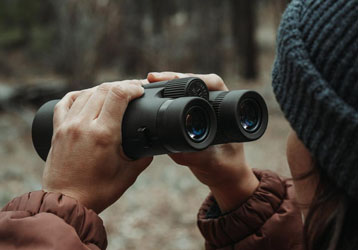
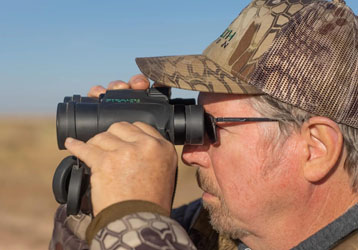
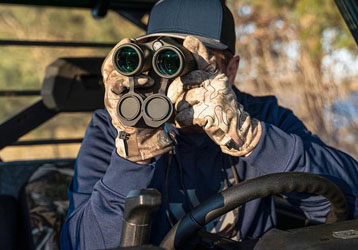
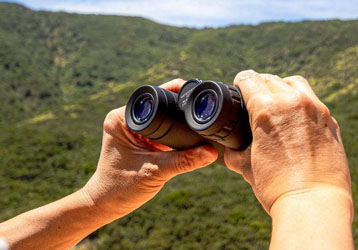
Modern rangefinders combine optical viewing systems with electronic measurement technology. This allows users to identify distant targets, align the device, perform a measurement, and view the result through a compact handheld device.
However, real-world measurement performance can be different from laboratory conditions or maximum specifications. Target size, target surface, visibility, weather, line of sight, optical quality, and device stability can all influence the measurement process.
Understanding these factors is important when selecting and using a long-range rangefinder.
What Is a Long-Range Rangefinder?
A long-range rangefinder is a portable device designed to measure the distance between an observation position and a remote target.
Many devices use laser-based distance measurement technology. A laser signal is directed toward the target, and the returned signal is detected by the device.
The internal electronics process the signal and calculate the distance.
At the same time, the optical system allows the user to locate and identify the target.
This makes the rangefinder both an observation tool and a distance measurement device.
The Basic Principle of Distance Measurement
The measurement process generally follows several stages.
Target Observation
The user first locates the desired target through the optical system.
Target Alignment
The device is positioned so that the measurement point is aligned with the target.
Laser Measurement
A laser signal is emitted toward the selected target.
Signal Reception
The device detects the returned signal.
Distance Calculation
Internal electronics process the signal and calculate the distance.
Result Display
The final measurement is presented on the display.
This process allows distance information to be obtained quickly without physical contact with the target.
Why Maximum Range Is Not the Only Consideration
When comparing rangefinders, users often focus on the maximum advertised measurement distance.
While this specification is useful, it does not represent every real-world situation.
The actual measurement environment may include:
Poor visibility
Small targets
Dark surfaces
Vegetation
Atmospheric haze
Rain
Unstable positioning
Obstructed lines of sight
Therefore, users should consider the complete operating environment rather than relying on a single specification.
Target Size and Measurement
Target size can influence the ease of measurement.
Large objects generally provide a larger area for aiming.
Buildings, walls, large signs, and broad terrain surfaces can therefore be relatively convenient targets.
Small objects require more precise alignment.
When measuring narrow poles, distant signs, or other small targets, device stability becomes increasingly important.
Target Surface Characteristics
The surface of a target can influence the returning measurement signal.
Different materials may have different reflective characteristics.
A rough, dark, irregular, or partially hidden surface may present different conditions from a large, clearly visible surface.
If a measurement is difficult, users can sometimes select another visible point on the same object.
Long-Range Rangefinder for Buildings
Buildings are frequently used as remote measurement targets.
Large walls can provide clearly defined measurement points.
A rangefinder can support:
Construction observation
Site inspection
Building distance measurement
Outdoor photography
Infrastructure observation
Field documentation
When measuring a building, users should ensure that nearby objects are not blocking the selected measurement point.
Measuring Trees and Forest Targets
Trees can present more complicated conditions.
Leaves and branches may cover the target surface, while several trees can appear close together in the viewing area.
Users should identify the desired tree carefully and select a clearly visible section.
When possible, a visible trunk can provide a more clearly defined measurement point than dense foliage.
Measuring Mountain Terrain
Mountains and hills provide important applications for remote measurement.
A user may need to measure the distance to:
A ridge
A slope
A rock formation
A visible structure
A terrain reference point
The user should identify the exact feature being measured.
Because mountain terrain can contain many overlapping features, optical observation is particularly important.
Infrastructure Measurement
Infrastructure inspection can involve targets such as:
Bridges
Towers
Utility structures
Industrial buildings
Large installations
Construction structures
A rangefinder can provide supporting distance information from an observation position.
This can be particularly convenient when direct access to the target is difficult.
Outdoor Field Work
Field personnel often move between different observation points.
A portable rangefinder can help them obtain distance information without carrying large measuring equipment.
Potential outdoor activities include:
Field inspection
Forestry work
Mountain observation
Outdoor research
Construction activities
Site assessment
The equipment should be selected according to the specific environment and measurement requirements.
The Importance of Optical Clarity
Optical clarity affects the entire measurement workflow.
Before measuring, the user must identify the correct target.
If the target is difficult to see, accurate alignment becomes more difficult.
Important optical characteristics include:
Image sharpness
Contrast
Magnification
Field of view
Viewing comfort
Target visibility
A balanced optical system can help users locate and align distant targets more efficiently.
Magnification and Target Acquisition
Magnification can make distant targets easier to observe.
However, higher magnification can also make hand movement more noticeable.
For handheld use, excessive magnification may make stable aiming more difficult.
The appropriate magnification should therefore be selected according to the target distance, target size, and intended application.
Field of View
Field of view determines how much of the surrounding scene can be seen through the optical system.
A wider field of view can help users locate targets quickly.
Once the target is identified, appropriate magnification can support more detailed observation.
A good balance between magnification and field of view can improve the overall user experience.
Weather Conditions
Outdoor measurement can be affected by changing weather.
Fog and Haze
These conditions can reduce visibility and make distant targets harder to identify.
Rain
Rain can affect optical clarity and target visibility.
Snow
Snow can change the appearance and contrast of the surrounding environment.
Dust
Dust can be particularly relevant at construction sites, dry terrain, and open outdoor locations.
Users should consider these conditions when evaluating practical measurement performance.
Line of Sight
A clear line of sight is essential for reliable target identification.
Objects that may interfere include:
Trees
Branches
Leaves
Fences
Walls
Vehicles
Poles
Other structures
Users should check the viewing path before taking a measurement.
Device Stability
Stable aiming is important for distant targets.
Even small movements can become more noticeable at long distances.
Users can improve stability by maintaining a balanced stance and holding the device securely.
For applications requiring repeated measurements, a suitable support system may also be considered.
How to Improve Measurement Results
A simple measurement routine can help reduce operating errors.
Step One: Identify the target.
Confirm the object that needs to be measured.
Step Two: Check visibility.
Make sure the target can be clearly seen.
Step Three: Stabilize the device.
Hold the rangefinder firmly.
Step Four: Select the measurement point.
Choose a visible and appropriate surface.
Step Five: Activate measurement.
Perform the measurement after alignment.
Step Six: Verify the result.
Repeat the measurement if the result is important or unexpected.
This process can improve consistency during field operations.
Measuring Multiple Targets
When several targets are present, users should measure them individually and maintain clear records.
For example, an inspection site may contain several buildings at different distances.
Recording the target description together with each result can help avoid confusion.
For professional applications, digital field records can provide an additional layer of organization.
Recording Measurement Data
Distance information can be combined with other field information.
A useful record may contain:
Target description
Measurement result
Observation position
Date and time
Weather conditions
Photograph
Project information
This approach makes the measurement easier to review after the field activity.
Long-Range Rangefinder and Digital Workflows
Modern field work increasingly uses digital tools.
A rangefinder can provide distance information that is later combined with:
Digital maps
Mobile applications
Photographs
Inspection reports
Project databases
Field notes
This can improve the organization of measurement information.
Portability and Ergonomic Design
Outdoor users may carry a rangefinder for extended periods.
A practical design should therefore consider comfort as well as measurement capability.
Potential design features include:
Compact body
Lightweight construction
Comfortable grip
Simple button layout
Clear display
Convenient carrying options
Good ergonomics can make repeated measurements less complicated.
Battery and Power Management
Battery reliability is important during extended field work.
Before using the device outdoors, users should check the power level.
For longer activities, carrying a suitable backup solution can help avoid interruptions.
Automatic power-saving functions can also be useful when measurements are performed intermittently.
Outdoor Protection
Outdoor equipment can encounter:
Dust
Moisture
Temperature changes
Vibration
Accidental impact
Users should select equipment with protection appropriate for the intended environment.
After use, the device should be checked and cleaned before storage.
Maintenance
Regular maintenance can help preserve optical and electronic performance.
Users should keep the lenses clean and avoid touching optical surfaces unnecessarily.
The housing should be kept free from excessive dust.
When the equipment is not being used, it should be stored in a suitable dry location.
Battery condition should also be checked regularly.
How to Select a Long-Range Rangefinder
When choosing equipment, users should evaluate the entire application.
Consider:
Target Distance
Determine the typical working distance rather than relying only on the maximum specification.
Target Type
Consider whether the main targets will be buildings, trees, mountains, infrastructure, or smaller objects.
Optical Performance
Evaluate clarity, magnification, field of view, and target visibility.
Environmental Conditions
Consider the weather, terrain, dust, moisture, and visibility expected during use.
Portability
If the device will be carried frequently, size and weight become important.
Durability
Outdoor users should consider protection against common environmental conditions.
Operating Convenience
Simple controls and a clear display can improve measurement efficiency.
Common Questions About Long-Range Rangefinders
Can a long-range rangefinder measure distant buildings?
Yes. Large and clearly visible building surfaces can be suitable measurement targets.
Can it measure trees?
Yes. However, dense leaves and branches can make target identification more difficult.
Why can measurement performance change outdoors?
Weather, visibility, target characteristics, line of sight, and device stability can all change between different environments.
Is a clear optical system important?
Yes. Users need to identify the correct target before performing a distance measurement.
Does a larger target make measurement easier?
A large target generally provides a larger area for aiming, which can make target alignment more convenient.
Should important measurements be repeated?
Repeating an important measurement can provide an additional check on consistency.
Can a rangefinder be used for professional field work?
Yes. It can provide useful measurement support for construction, forestry, infrastructure observation, and other field activities. Specialized surveying requirements may require dedicated professional instruments.
Future Development of Long-Range Rangefinders
Long-range rangefinder technology continues to develop toward improved usability and integration.
Potential development areas include:
Better optical clarity
Faster measurement response
Improved target recognition
More compact designs
Enhanced displays
Better power efficiency
Improved environmental protection
Wireless connectivity
Digital field-data integration
The combination of optical observation and digital measurement may allow future devices to support increasingly sophisticated field workflows.
Conclusion
A long-range rangefinder provides a convenient method for obtaining distance information from remote targets.
Its practical performance depends on a combination of technology and operating conditions. Target size, target surface, optical clarity, weather, line of sight, device stability, and user technique can all influence the measurement process.
For outdoor observation, forestry, construction, infrastructure inspection, mountain activities, and general field work, users should select a rangefinder according to the actual environment and target requirements.
By establishing a consistent measurement workflow and maintaining the equipment properly, users can make remote distance measurement more efficient and organized.