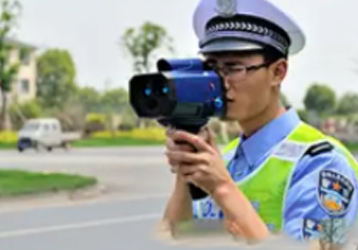










Digital Traffic Speed Detector: Technology, Features and Applications
What Is a Digital Traffic Speed Detector?
A digital traffic speed detector is an electronic device designed to measure and display the speed of moving vehicles using digital signal processing technology.
Depending on its design, the equipment may incorporate laser measurement, radar sensing, or other compatible detection methods.
Digital traffic speed detectors are used in various applications, including road traffic monitoring, transportation surveys, vehicle speed analysis, and intelligent transportation projects.
Compared with traditional measurement equipment that relies on analog display methods, modern digital devices can provide electronic speed readings and may support additional functions such as measurement storage, data transmission, and external system integration.
The actual capabilities depend on the product model and manufacturer specifications.
How Does a Digital Traffic Speed Detector Work?
A digital traffic speed detector generally combines a speed measurement sensor with an electronic processing system.
The sensor collects information about vehicle movement, while the internal processor analyzes the received signals and calculates vehicle speed.
The calculated result is then presented through a digital display or transferred to a compatible external system.
Laser-Based Digital Measurement
Laser-based devices emit laser pulses toward a target vehicle and measure changes in distance over time.
The internal processor calculates speed using the collected distance measurements.
This technology can be suitable for applications requiring targeted measurements of individual vehicles.
Radar-Based Digital Measurement
Radar-based devices transmit radio signals and analyze the signals reflected by moving vehicles.
Conventional Doppler radar systems use changes in signal frequency to calculate radial vehicle speed.
Radar technology is used in various traffic monitoring configurations, including portable measurement equipment and fixed roadside systems.
Digital Data Processing
Digital processing allows measurement signals to be converted into numerical results.
Depending on the equipment design, additional processing functions may support measurement validation, information display, data recording, or communication with external devices.
Buyers should verify which functions are available in the selected model.
Key Features of Digital Traffic Speed Detectors
Electronic Speed Display
Digital traffic speed detectors generally provide speed readings through an electronic display.
Display design can affect operating convenience, particularly when equipment is used under different lighting conditions.
Measurement Accuracy
Accuracy is an important factor when evaluating any speed measurement device.
Buyers should review the manufacturer's stated accuracy, measurement conditions, and calibration requirements.
A digital display does not automatically indicate higher measurement accuracy. Actual performance depends on the complete measurement system.
Portable Equipment Options
Some digital traffic speed detectors are designed for handheld or portable operation.
These configurations can be useful for temporary traffic surveys and field measurement projects.
Data Storage and Export
Certain models may support internal measurement storage or data export through compatible communication interfaces.
These functions can be useful when collected measurements need to be reviewed or analyzed after a survey.
System Integration
Some digital speed measurement devices can connect to compatible traffic monitoring platforms or external equipment.
Integration requirements should be evaluated according to available interfaces, communication protocols, and software compatibility.
Applications of Digital Traffic Speed Detectors
Urban Road Monitoring
Digital speed detectors can support authorized traffic surveys and vehicle speed assessments in urban environments.
The collected data may help transportation professionals understand speed patterns and evaluate traffic management requirements.
Highway Speed Measurement
Suitable digital speed detection equipment can be used for vehicle speed measurements on highways and expressways.
Buyers should confirm that the selected model supports the expected vehicle speeds, measurement distances, and environmental conditions.
Transportation Research
Researchers may use digital speed measurement equipment to collect field data for studies involving vehicle behavior, traffic flow, and road infrastructure.
Measurement consistency and appropriate documentation are important for reliable analysis.
Industrial Vehicle Monitoring
Industrial parks, logistics centers, and private road networks may use digital speed measurement equipment to assess vehicle movement within designated areas.
Intelligent Transportation Applications
Digital speed detectors may provide data to compatible transportation management systems when the necessary communication and integration functions are available.
How to Choose a Digital Traffic Speed Detector
Before purchasing digital speed measurement equipment, buyers should evaluate several technical and operational factors.
Measurement Technology: Determine whether laser, radar, or another supported detection method is appropriate.
Speed Range: Confirm that the equipment supports the expected vehicle speeds.
Measurement Distance: Review the specified operating range under relevant conditions.
Accuracy: Examine the manufacturer's accuracy specifications and testing documentation.
Display Quality: Consider readability, interface design, and operating convenience.
Power Supply: Evaluate battery performance or external power requirements.
Environmental Protection: Check the operating temperature range and resistance to moisture and dust.
Data Functions: Confirm whether storage, export, or communication capabilities are required.
Calibration: Review recommended inspection and calibration procedures.
Manufacturer Support: Consider warranty conditions, technical documentation, and after-sales service.
Digital Traffic Speed Detector vs. Traditional Speed Measurement Equipment
Digital traffic speed detectors use electronic processing and displays to present measurement results.
Traditional equipment may use different display or processing methods, depending on its design.
Modern digital systems can offer convenient numerical displays and additional data handling capabilities.
However, measurement quality depends on sensor performance, system design, calibration, and operating conditions rather than the display format alone.
The appropriate equipment should be selected according to the intended application and verified technical specifications.
What Should International Buyers Consider?
For distributors, importers, and engineering contractors, selecting a digital traffic speed detector manufacturer requires attention to both technical and commercial requirements.
Buyers should request complete product specifications, operating instructions, and relevant testing documentation.
Important considerations include:
Product quality control procedures.
Available equipment configurations.
Measurement accuracy and calibration support.
Data interface and software compatibility.
Warranty and maintenance arrangements.
Spare parts and accessory availability.
International packaging and delivery requirements.
Applicable certification and regulatory compliance.
For official traffic enforcement applications, buyers must confirm that the selected equipment and operating procedures meet the requirements of the relevant jurisdiction.
Frequently Asked Questions
What is a digital traffic speed detector?
A digital traffic speed detector is an electronic device that measures vehicle speed and presents the result through a digital display or compatible data interface.
What technologies are used in digital speed detectors?
Common technologies include laser-based distance measurement and radar-based speed measurement.
Are digital traffic speed detectors more accurate?
Not automatically. Measurement accuracy depends on the sensor, processing system, calibration, and operating conditions.
Can digital speed detectors store measurement data?
Some models support internal storage or data export. Buyers should verify the available functions in the product specifications.
Can digital traffic speed detectors connect to intelligent transportation systems?
Certain models support external system integration through compatible communication interfaces and software.
Conclusion
Digital traffic speed detectors provide electronic vehicle speed measurements for road monitoring, transportation research, and other traffic management applications.
By combining suitable sensing technology with digital processing and display functions, these devices can support a range of measurement requirements.
For professional buyers, evaluating accuracy, operating range, environmental performance, data capabilities, and manufacturer support is essential when selecting appropriate equipment.
Understanding these factors can help organizations identify suitable digital speed measurement solutions for their transportation projects.